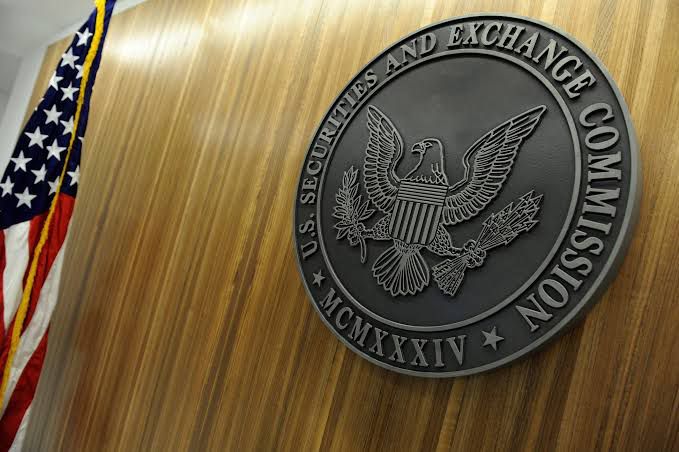
The U.S. Securities and Exchange Commission (SEC) is one of the most influential financial regulatory bodies in the world. Established to protect investors, maintain fair and efficient markets, and promote capital formation, the SEC plays a critical role in shaping financial markets not only in the United States but globally. Understanding the SEC is essential for anyone interested in investing, finance, corporate governance, or emerging technologies like cryptocurrencies and fintech.
History of the SEC
The SEC was established in 1934, in the wake of the 1929 stock market crash and the Great Depression that followed. The crash exposed widespread financial fraud, market manipulation, and lack of transparency in corporate reporting, which left millions of investors financially devastated.
In response, the Securities Exchange Act of 1934 created the SEC as an independent federal agency to restore confidence in the U.S. financial system. The agency’s creation marked a turning point in financial regulation, introducing strict reporting requirements for companies and enforcement mechanisms to prevent fraud and manipulation in securities markets.
The early mission of the SEC was clear: protect investors, ensure fairness in financial markets, and restore public trust. Over the decades, the SEC has adapted to new financial innovations, market structures, and technologies while maintaining its core purpose.
Structure of the SEC
The SEC is an independent federal agency composed of five commissioners, each appointed by the U.S. president and confirmed by the Senate. Commissioners serve five-year terms, and no more than three commissioners can belong to the same political party, ensuring political balance and bipartisanship.
The agency is organized into five major divisions, each responsible for specific aspects of financial regulation:
Division of Corporation Finance – Oversees corporate disclosure to ensure investors receive accurate and timely information.
Division of Trading and Markets – Regulates securities exchanges, brokers, dealers, and market participants.
Division of Investment Management – Supervises mutual funds, ETFs, and investment advisers.
Division of Enforcement – Investigates violations of securities laws and brings civil actions against offenders.
Division of Economic and Risk Analysis – Uses data analytics and risk assessment to support regulatory and enforcement decisions.
This structure allows the SEC to monitor markets, enforce laws, and provide guidance efficiently across complex financial systems.
Core Functions of the SEC
The SEC has several key responsibilities that together maintain the integrity of financial markets:
a. Protecting Investors
Investor protection is the SEC’s primary mission. The agency ensures that investors have access to accurate and complete information about companies and financial products. This includes enforcing laws against fraud, market manipulation, and insider trading.
By requiring public companies to disclose financial statements and material events, the SEC helps investors make informed decisions about buying, holding, or selling securities.
b. Regulating Securities Markets
The SEC regulates all major securities markets in the U.S., including the New York Stock Exchange (NYSE) and Nasdaq. It sets rules for trading, reporting, and market conduct, ensuring fairness and transparency. By supervising exchanges, clearing agencies, and broker-dealers, the SEC reduces the risk of market disruptions and protects investor confidence.
c. Ensuring Corporate Transparency
Public companies must provide detailed disclosures on:
Financial performance
Risk factors
Executive compensation
Material events (via 8-K filings)
Quarterly and annual reports (10-Q and 10-K)
These requirements allow investors to evaluate companies’ financial health and governance practices, creating a level playing field in financial markets.
d. Enforcement of Securities Laws
The SEC has the power to investigate violations, file civil charges, and impose penalties. Enforcement actions can include fines, disgorgement of profits, and barring individuals from serving as corporate officers. While the SEC cannot pursue criminal charges, it often coordinates with the Department of Justice (DOJ) for criminal prosecution in severe cases.
Enforcement ensures accountability, deters misconduct, and preserves market integrity.
Key Laws Governed by the SEC
The SEC enforces several significant laws:
Securities Act of 1933 – Regulates the offering and sale of securities to the public; requires companies to register securities before sale.
Securities Exchange Act of 1934 – Created the SEC and regulates secondary trading of securities.
Investment Company Act of 1940 – Governs mutual funds and investment companies.
Sarbanes-Oxley Act (2002) – Strengthened corporate governance and financial disclosure standards.
Dodd-Frank Act (2010) – Introduced reforms after the 2008 financial crisis to regulate large financial institutions and derivatives trading.
These laws collectively protect investors, ensure transparency, and regulate financial markets.
SEC and Emerging Technologies
The SEC has increasingly focused on technology-driven financial innovations, including:
a. Cryptocurrencies and Digital Assets
Digital currencies and crypto assets have introduced new regulatory challenges. The SEC evaluates whether tokens, coins, or lending programs constitute securities under U.S. law. Platforms offering unregistered securities may face enforcement actions, as seen in cases involving crypto exchanges like Gemini.
By regulating digital assets, the SEC aims to protect investors while allowing innovation to flourish in the fintech sector.
b. Fintech and Online Trading Platforms
Robo-advisers, online brokerage services, and algorithmic trading platforms are growing rapidly. The SEC ensures these technologies operate fairly and transparently, reducing risks associated with high-speed trading or automated investment services.
The SEC is also exploring how artificial intelligence (AI) and machine learning can help detect fraud, monitor market manipulation, and enhance compliance systems.
Global Impact of the SEC
Although the SEC is a U.S. agency, its influence extends worldwide. Many global companies list on U.S. exchanges or raise capital from U.S. investors, making compliance with SEC regulations mandatory.
For example:
A European firm listing on the NYSE must adhere to SEC disclosure rules.
Cryptocurrency platforms offering services to U.S. investors must comply with SEC guidelines.
Global financial regulators often reference SEC decisions to inform their policies.
In effect, the SEC sets global standards for transparency, governance, and investor protection.
Criticisms and Challenges
Despite its influence, the SEC faces challenges:
Slow adaptation to innovation: Rapidly evolving technologies, especially in crypto and fintech, challenge traditional regulatory approaches.
Balancing enforcement and innovation: Some argue that strict enforcement can stifle innovation, while others see regulatory gaps as a threat to investors.
Resource constraints: With billions of transactions and assets under oversight, prioritization is necessary, leaving some risks less monitored.
The SEC continues to evolve, issuing guidance and modernizing its systems to address emerging risks.
Recent Trends and Developments
Some of the SEC’s recent initiatives include:
Climate and ESG disclosures: Companies must report environmental and social risks affecting their business.
Market structure reform: Enhancing transparency in high-frequency trading and order routing.
Cryptocurrency regulations: Clarifying which digital assets are securities and how platforms must comply.
These developments reflect the SEC’s dual goal: protect investors while enabling market innovation.
Why the SEC Matters Globally
For global investors, companies, and financial institutions, the SEC is crucial:
Investor confidence: Its regulations promote trust in financial markets.
Cross-border investments: Companies operating internationally must comply when accessing U.S. capital.
Cryptocurrency and fintech oversight: Global digital finance follows SEC precedents.
Corporate governance: U.S. standards often influence policies in other countries.
By understanding the SEC, global stakeholders can better manage risks and seize opportunities in financial markets.
How Individuals Can Access SEC Information
The SEC provides public access to corporate filings through EDGAR (Electronic Data Gathering, Analysis, and Retrieval). Investors, analysts, and researchers can review:
Company financial statements
Insider trading reports
Fund and mutual fund filings
Securities registration statements
This transparency empowers individuals and organizations to make informed investment decisions.
The Future of the SEC
As markets evolve, the SEC faces a rapidly changing landscape. Emerging areas like digital assets, AI-driven trading, and global investment networks require the agency to innovate while safeguarding investors.
The SEC’s ability to balance innovation, transparency, and enforcement will shape not only U.S. markets but also global financial systems.
The U.S. Securities and Exchange Commission (SEC) is more than a regulatory agency; it is a cornerstone of global financial integrity. By enforcing transparency, protecting investors, and regulating markets, the SEC ensures that financial systems remain fair, efficient, and trustworthy.
For anyone involved in finance, investing, or global business, understanding the SEC is crucial. Its decisions influence markets worldwide, affect corporate governance, and guide the development of new technologies and financial products.
As global markets grow more interconnected, the SEC’s role will only become more significant — making it essential for investors, companies, and policymakers worldwide to monitor its actions and adapt to its guidance.