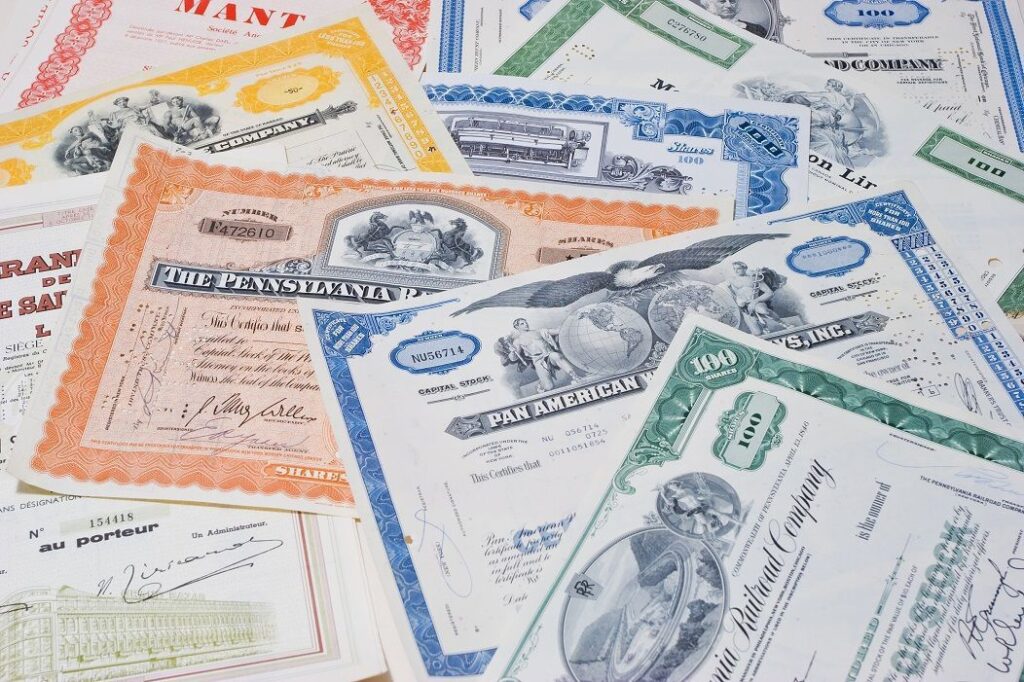
Commercial paper is a short-term debt instrument used by large corporations, financial institutions, and governments to raise funds for immediate operational needs. It plays a critical role in modern financial systems by providing businesses with quick access to liquidity while offering investors a relatively low-risk investment option. Understanding commercial paper is important for students of finance, investors, policymakers, and anyone interested in how short-term financing works in the global economy.
Meaning of Commercial Paper
Commercial paper is an unsecured promissory note issued by a company to raise short-term funds. Being unsecured means it is not backed by physical collateral such as property or equipment. Instead, it relies on the issuer’s creditworthiness and reputation. Because of this, only companies with strong financial standing and high credit ratings are usually able to issue commercial paper successfully.
Commercial paper typically has a maturity period ranging from a few days to one year, though in many countries the maximum maturity is less than 270 days. It is issued at a discount to its face value, and the investor earns interest by receiving the full face value at maturity.
Historical Background
Commercial paper originated in the eighteenth century as a means for merchants to finance trade transactions. Over time, it evolved into a sophisticated money market instrument used by corporations and financial institutions. Today, it is a major component of money markets in countries such as the United States, the United Kingdom, Japan, and emerging economies across Africa and Asia.
The growth of commercial paper markets has been driven by the need for flexible financing, the expansion of global trade, and improvements in financial regulation and credit rating systems.
Purpose and Uses of Commercial Paper
The primary purpose of commercial paper is to meet short-term financing needs. Companies use it to finance:
Day-to-day operations such as payroll and utility expenses
Inventory purchases
Accounts receivable financing
Short-term working capital gaps
Financial institutions may also issue commercial paper to manage liquidity or fund short-term lending activities. Governments and public agencies sometimes issue similar instruments to cover temporary budget shortfalls.
Types of Commercial Paper
Commercial paper can be classified based on structure and issuer:
Promissory Note Type
This is the most common form. It is a simple written promise by the issuer to pay the holder a specified amount at a future date.
Asset-Backed Commercial Paper
This type is supported by financial assets such as loans, receivables, or leases. Although still short-term, it offers an added layer of security compared to traditional unsecured commercial paper.
Dealer-Placed Commercial Paper
Issued through dealers or investment banks that help market the paper to investors. This is common for large issuers that want wider market access.
Directly Placed Commercial Paper
Issued directly to investors without intermediaries. This reduces costs but is usually done by very large and well-known companies.
How Commercial Paper Works
When a company needs short-term funds, it issues commercial paper with a stated face value and maturity date. Investors buy the paper at a discounted price. At maturity, the issuer pays the investor the full face value. The difference between the purchase price and the face value represents the investor’s return.
For example, if a company issues commercial paper with a face value of 100,000 units of currency and sells it for 98,000 units, the investor earns 2,000 units at maturity.
Commercial paper is usually traded in large denominations, making it more suitable for institutional investors such as banks, pension funds, insurance companies, and money market funds.
Key Features of Commercial Paper
Short-Term Maturity: Typically less than one year
Unsecured: Based on issuer creditworthiness rather than collateral
Discounted Instrument: Issued below face value
High Credit Quality: Issued mainly by financially strong organizations
Money Market Instrument: Part of the broader money market system
Investors in Commercial Paper
The main investors in commercial paper include:
Money market funds
Commercial banks
Pension funds
Insurance companies
Large corporations with excess cash
Retail investors usually gain exposure indirectly through money market funds rather than purchasing commercial paper directly.
Benefits of Commercial Paper
Commercial paper offers several advantages to both issuers and investors.
For issuers:
Lower borrowing cost compared to bank loans
Quick access to funds
Flexible financing structure
No collateral requirement
For investors:
Relatively low risk compared to other investments
Short maturity reduces exposure to interest rate fluctuations
Predictable returns
Useful for cash management
Risks Associated with Commercial Paper
Despite its advantages, commercial paper carries certain risks.
Credit Risk
If the issuing company experiences financial difficulties, it may default on repayment. Since commercial paper is unsecured, investors may face losses.
Liquidity Risk
Although generally liquid, some commercial paper may be difficult to sell before maturity, especially during financial crises.
Interest Rate Risk
Changes in interest rates can affect the attractiveness of commercial paper returns.
Market Risk
During periods of economic instability, investors may lose confidence in issuers, reducing demand for commercial paper.
The global financial crisis of 2008 highlighted these risks when several commercial paper markets froze due to loss of investor confidence.
Regulation of Commercial Paper
Commercial paper markets are regulated to ensure transparency, stability, and investor protection. Regulations differ by country but generally include:
Limits on maturity periods
Disclosure requirements
Credit rating standards
Oversight by central banks and financial regulators
In many jurisdictions, commercial paper issuance is monitored as part of broader money market regulation to reduce systemic risk.
Commercial Paper and Money Market Funds
Commercial paper is a core asset held by money market funds. These funds invest in high-quality commercial paper to generate steady returns while maintaining liquidity. As a result, the health of the commercial paper market directly affects money market funds and short-term interest rates.
Role of Commercial Paper in the Global Economy
Commercial paper plays a vital role in ensuring smooth business operations and financial stability. By providing a bridge between short-term funding needs and long-term financing, it supports corporate activity, employment, and economic growth. In emerging markets, the development of commercial paper markets also helps reduce reliance on bank financing and deepens capital markets.
Commercial paper is an essential short-term financing instrument in modern financial systems. It allows creditworthy organizations to meet immediate funding needs efficiently while offering investors a relatively safe place to earn short-term returns. Although it carries risks, proper regulation, strong credit assessment, and market discipline have made commercial paper a cornerstone of global money markets. Understanding commercial paper provides valuable insight into how businesses manage liquidity and how short-term capital flows support the broader economy.